
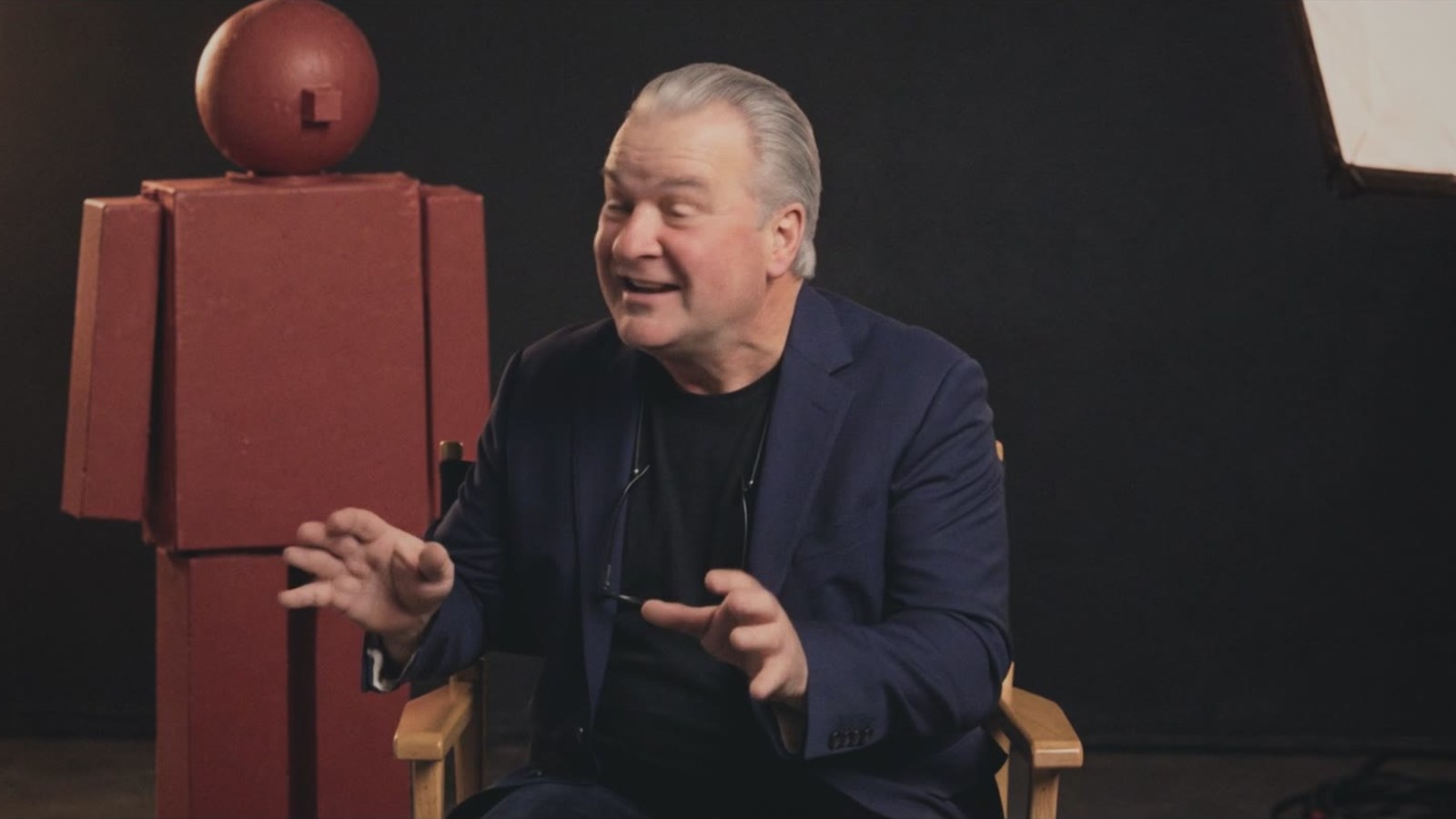
Workshop
What happens when machines join the work?
You can talk about machines for a long time. Here I show what I build with them: films, spaces, voices. Each report tells what the human did, what the machine did, and what it cost.
Workshop notes
Finished, or nearly finished
-
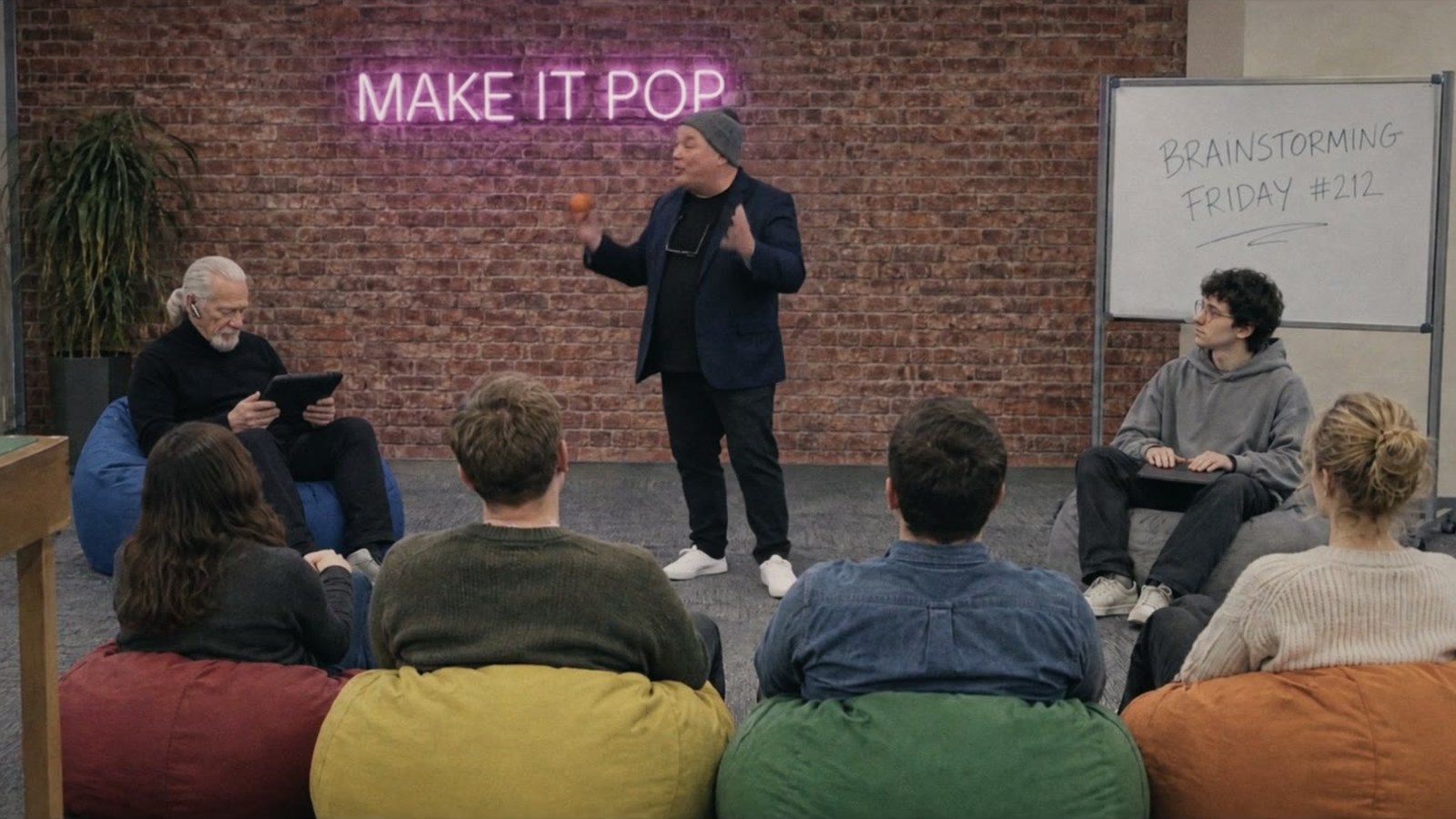 2:23
2:23 THE AGENCY
What happens to an agency that sells hours when hours get cheap?
- of machine computing, episode and making-of
- 15:28 h
- my time: 5:40 h measured on my turn, plus 50% for viewing
- 8:30 h
- Claude tokens, 96% of them cache reads
- 1.77 bn
-
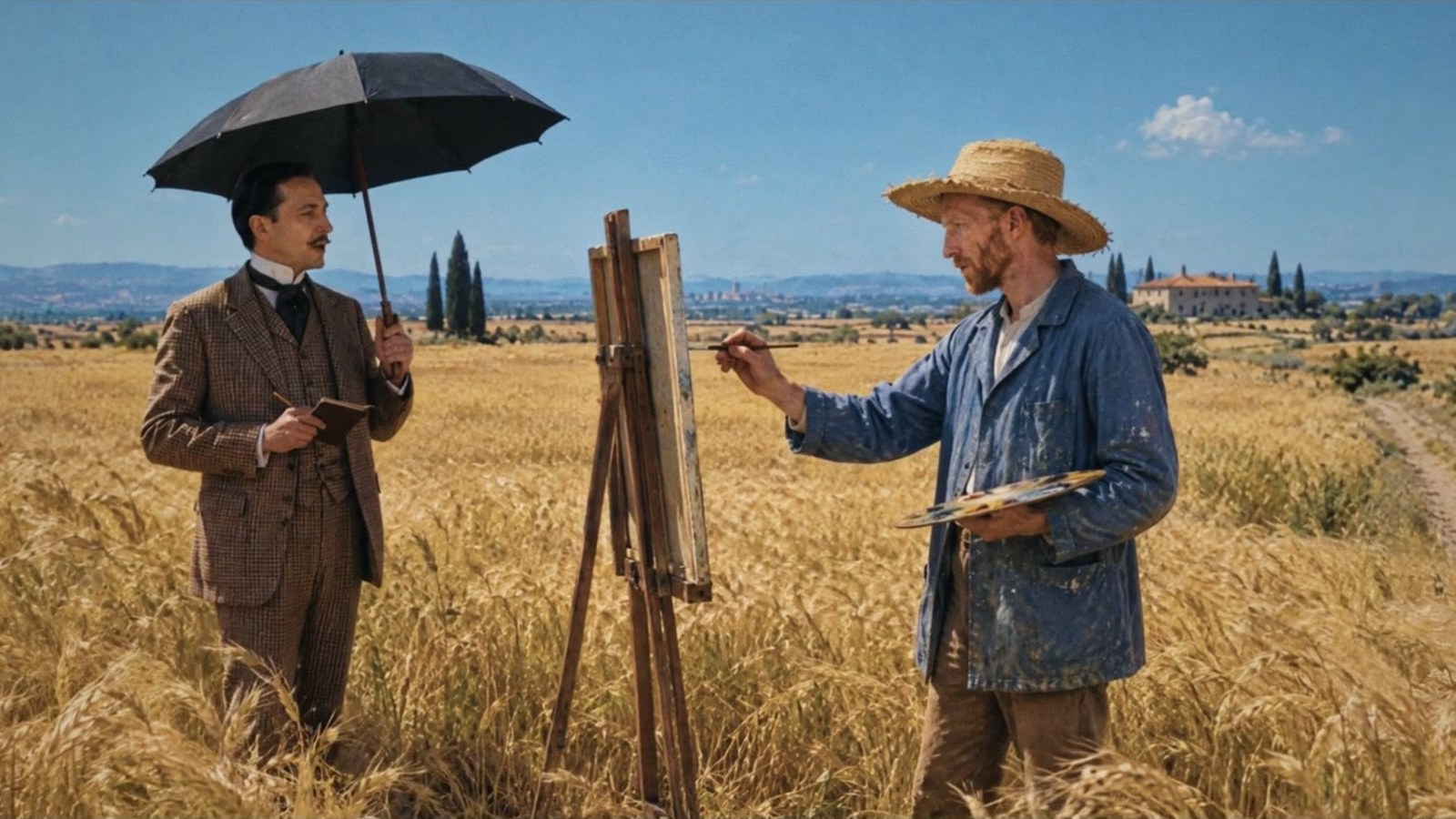 2:28
2:28 ANCIENT MARKETING
How much story can an artist take?
- from the first sentence to the rough cut
- ≈ 2 h
- takes, each one continuous clip
- 14
- reshoots
- 0
-
 1:34
1:34 Kroll. We get it done.
What happens when a mid-sized company decides: as of today, we are AI?
- films: the corporate film and three episodes
- 4
- video models tried for German dialogue
- 3
- of image and video credits discarded, mostly searching for good German
- 48%
-
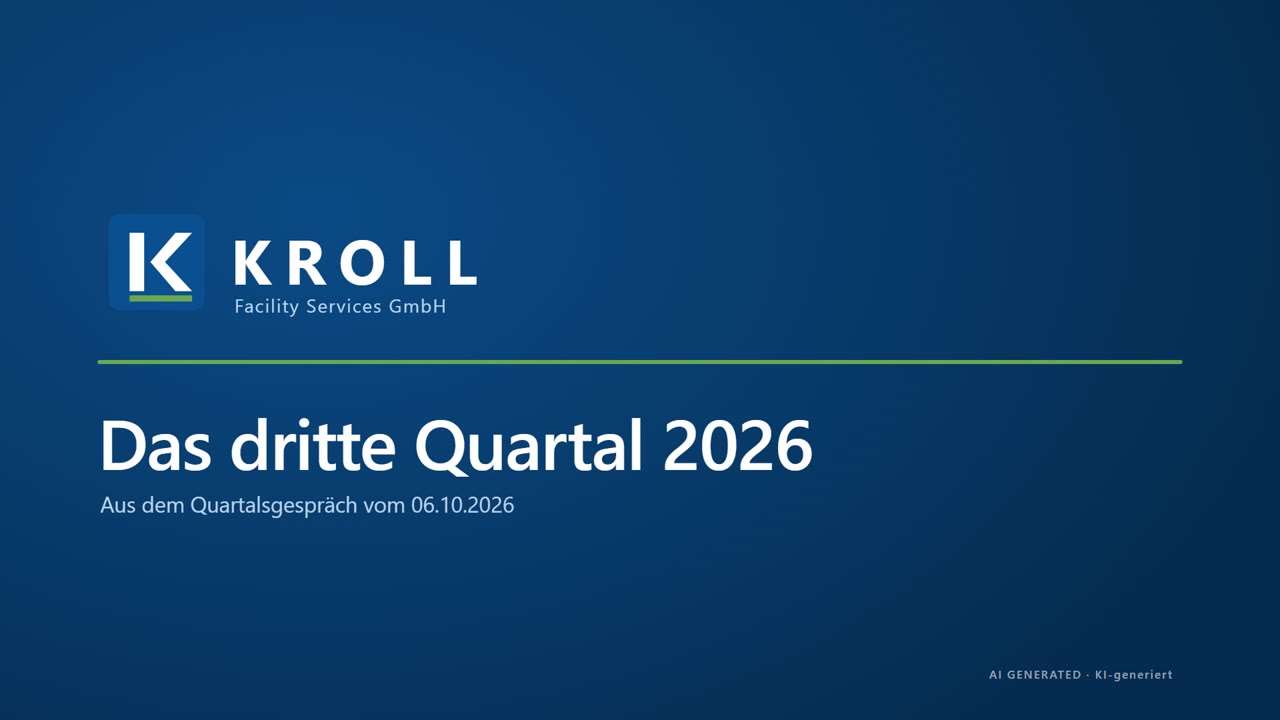 1:23
1:23 Kroll. The third quarter.
What becomes of a meeting when the machine is listening?
- one transcript, six formats: Word, two CSV files, slides, a figures page, a film
- 1 → 6
- figures, each with its moment in the conversation
- 45
- tasks with a name and a date
- 15
-
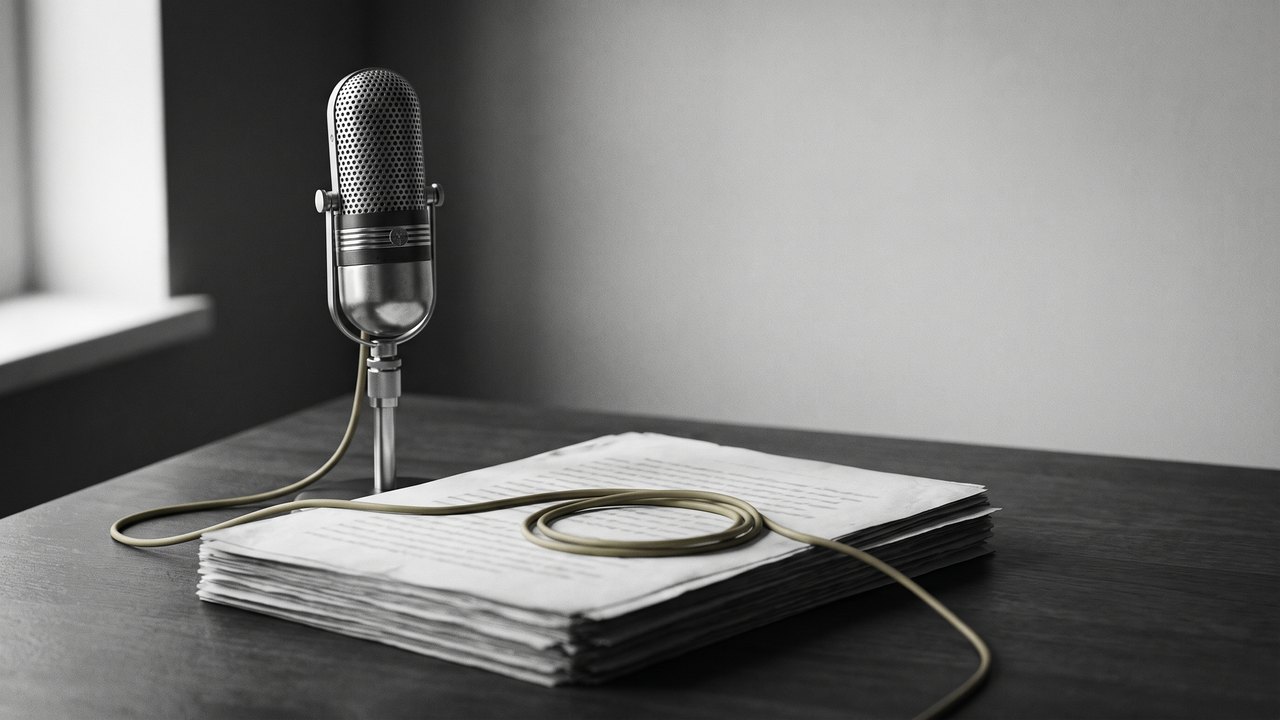
An essay becomes an audio piece.
How close can a machine get to a real audio feature?
- episodes, German and English, a little over twelve minutes each
- 2
- versions until sign-off
- 9
- ElevenLabs models compared: Multilingual v2, v3 and v4
- 3
-
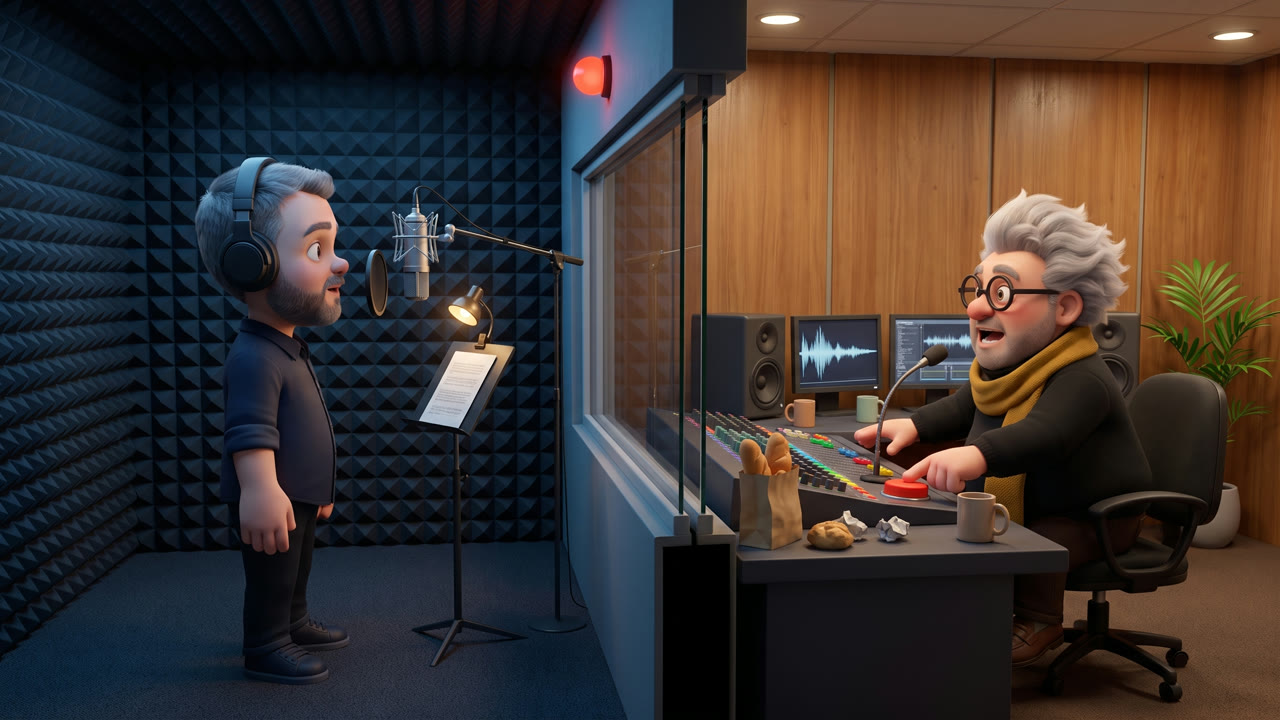 1:57
1:57 DIE SESSION
How many directions can a single sentence take?
- sentence, read seven times
- 1
- from the first draft to the finished film
- ≈ 2:15 h
- clips in the film, 18 of them lip-synced afterwards
- 21
-
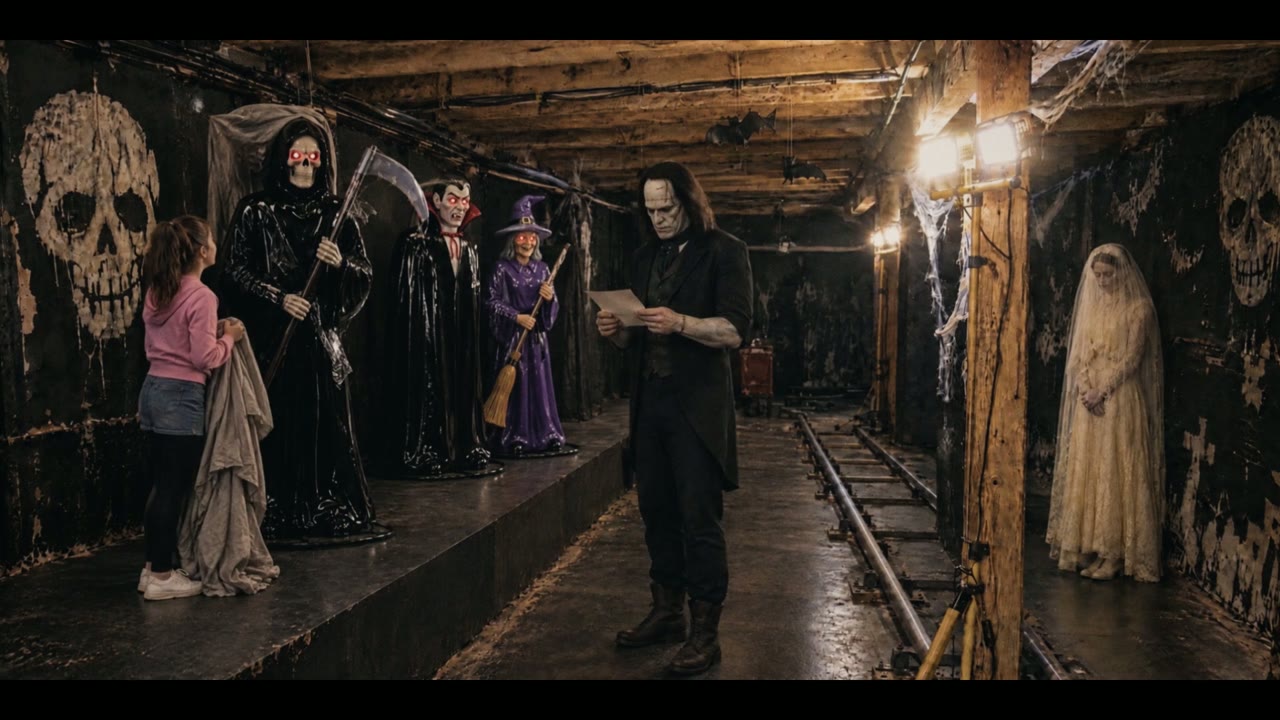 1:56
1:56 SCARED REDUNDANT
Who gets scared by a machine that is never unsure?
- script versions until the metaphor held
- 4
- from the first line to the finished film, one night included
- ≈ 22 h
- shots in the film, 30 clips generated
- 22
What runs through every case
Seven cases, five patterns
-
Making gets cheap. Judgment stays expensive.
In no case did the AI cost exceed about €134. Every time, the bottleneck was a human who looks and decides.
THE AGENCY · Kroll. We get it done. · DIE SESSION · SCARED REDUNDANT
-
Method beats tool.
With the same machines, my time fell from eight and a half hours, making-of included, to just over three. What made the difference was what the first case had taught.
-
Choosing a model is procurement.
At Kroll, almost half of the image and video credits went into the search for a model that speaks good German. That choice has to be made again and again, because the models change.
-
Versions become a method, or every time starts from zero.
Nine versions left standards behind that carry every further episode. Whoever files only results loses the reasons.
-
The check runs before the human.
Scripts check text, names, loudness, frame boundaries and lips. Sign-off stays with the human, and so does the question whether everyone agreed to the recording.
Kroll. The third quarter. · An essay becomes an audio piece. · DIE SESSION
How I work here
- The idea comes from a human. Script, selection, timing and every sign-off are mine. The machines are assistants.
- Every number is measured. Times, credits and calls come from the production logs, not from memory. Euro amounts are converted at list price. How I measure →
- AI content is labeled. Every video carries the “AI GENERATED” mark. People and companies in the films are fictional.